

That’s how much global retailers lose every year to out-of-stock situations alone. Not to returns. Not to marketing that doesn’t land. Just to products that should have been available — but weren’t.
Now add to that: missing listings nobody flagged. Content that underperforms because it was never optimised after syndication. Pricing being undercut by unauthorised third-party sellers. Products buried on page 4 of a retailer’s search results.
This is the invisible tax on e-commerce. And most brands are paying it every single day without knowing it.
This blog is about what happens when you stop paying that tax. When you install what we call Ground Control: a structural, always-on view of your digital shelf that turns blind spots into growth levers. Not a dashboard you check on Fridays. A foundation you build your e-commerce performance on.
Most brands selling through online retailers and marketplaces are not lazy. They have PIM systems. They have DAM tools. They syndicate content. They set pricing strategies. They brief their retailers. They do the work.
And then? They hope it works.
They hope their products are actually listed everywhere they should be. They hope their content looks right. They hope their pricing is competitive. They hope they still own the Buy Box.
But hoping is not knowing. And the gap between what you submitted and what the consumer actually sees — that’s where your revenue disappears.
We call this gap the Consumer Reality Layer™. It’s the difference between the product page you intended and the one the shopper encounters. Internal systems show what should be online. Retailer portals show what was reported. But neither shows what the consumer truly sees.
And that gap is wider than most brands realise.
THE GAP IN NUMBERS
| 80% | of brands have a listing completeness score below 70% — without knowing it |
| $1.2T | lost globally every year to out-of-stock situations in retail |
| 69% | of online shoppers immediately buy from a competitor after encountering an out-of-stock |
| 35 days | average duration a product stays out of stock per occurrence — over a month of lost sales |
Sources: IHL Group, Opensend/eCommerce research 2025, Sitelucent client data.
Digital Shelf Analytics is not a new category. But it has gone from ‘interesting’ to ‘infrastructure’ in the span of two years. Here’s why:
A typical brand today sells across 15–40 online retailers and marketplaces, in multiple countries, with hundreds or thousands of SKUs. That is tens of thousands of product pages that need to be live, in stock, correctly priced, well-ranked, and visually brand-compliant. Every day. Manually checking even a fraction of this is impossible.
The global Digital Shelf Analytics market was valued at $2.5 billion in 2024 and is projected to reach $6.8 billion by 2032, growing at a CAGR of 12%. This is not hype. It is brands recognising, en masse, that they need structural visibility into their online performance. The ones that move first have a compounding advantage.
Samsung, Bayer, Bosch, Nespresso, Signify, BaByliss, Brabantia — these are brands that have embedded Digital Shelf Analytics into their core operations. They don’t treat it as a project. They treat it as infrastructure. They see what you don’t see. They act where you can’t act. And they’re winning shelf space, Buy Box share, and revenue while you’re still checking product pages manually.
With retail media ad spend projected to surpass $60 billion, brands are investing heavily in driving traffic to product pages. But if those pages are out of stock, have poor content, or aren’t even listed — that ad spend is wasted. Digital Shelf Analytics connects shelf readiness to media decisions. Without it, you’re flying blind with your ad budget.
This is where the metaphor matters. We don’t call Sitelucent a “dashboard” or a “tool.” We call it Ground Control. Because that’s what it is.
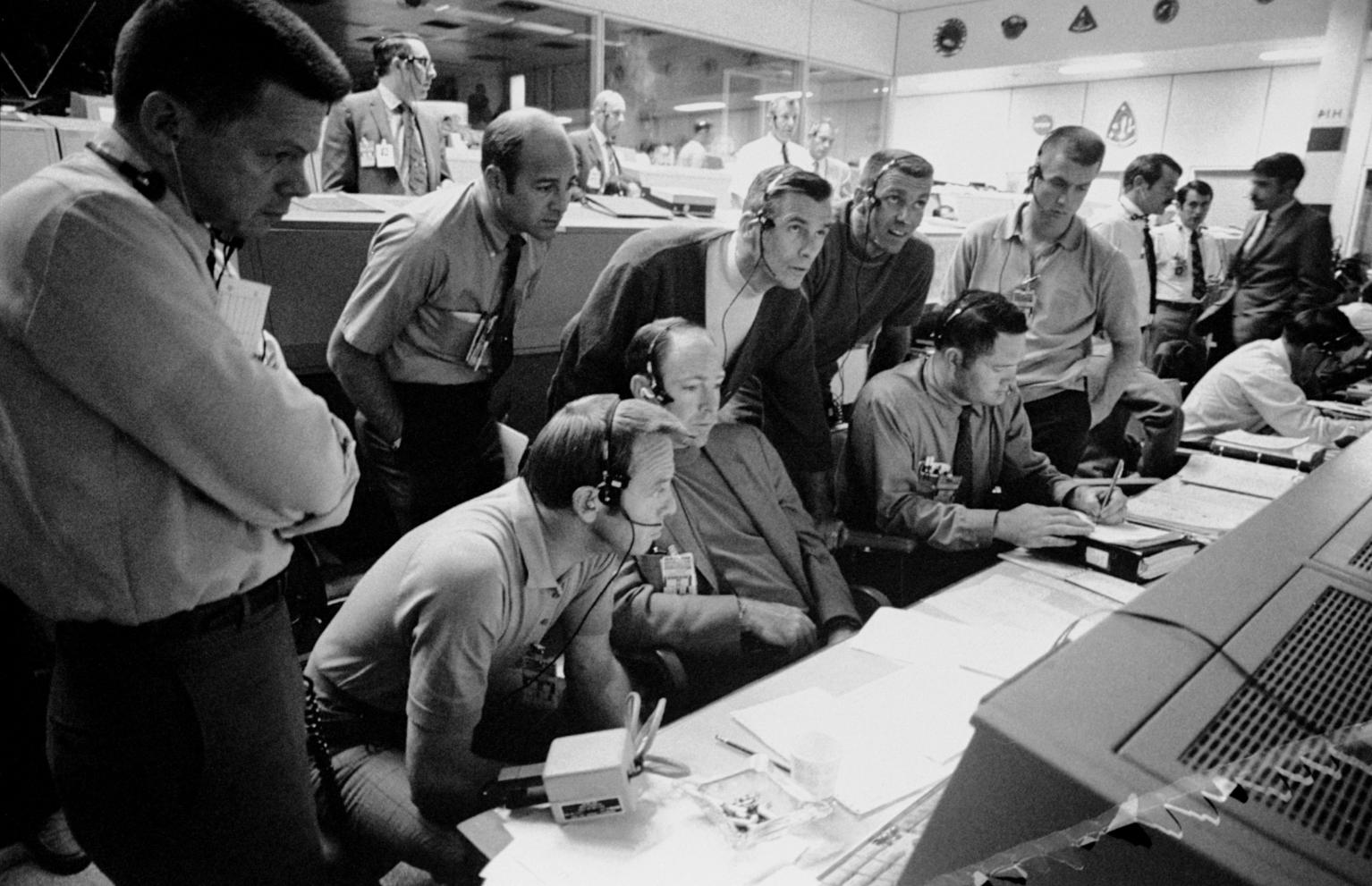
Think of it this way: NASA doesn’t launch a mission and then hope the spacecraft arrives. They have Ground Control — a real-time command centre that monitors every variable, flags anomalies, and enables course corrections before problems become crises.
Your digital shelf works the same way. You’ve launched your products into the e-commerce universe — across retailers, marketplaces, and countries. But without Ground Control, you have no way of knowing if they’re on course.
Sitelucent is that command centre. It scans every SKU, every day, across 1,000+ retailers and marketplaces, through the real consumer journey. Not what your PIM says should be live. Not what the retailer portal reports. What the consumer actually sees.
Ground Control optimises three things that, together, form the foundation of e-commerce performance:
| VisibilityAre your products actually seen? Search ranking, share of voice, banner presence. | PresenceDo they show up complete, consistent and competitive? Listings, content, images, pricing. | PerformanceDo they convert and protect margin? Buy Box, reviews, stock availability, pricing. |
When all three are visible, they become controllable. When they’re controllable, they become optimisable. That’s when e-commerce performance stops being a guessing game and starts being a growth engine.
Let’s make this tangible. Here’s what changes when you install Ground Control:
Your e-commerce team opens their inbox. A retailer flagged a pricing issue on three SKUs — last week. A sales rep noticed a product was out of stock on bol.com — but only because a customer complained. Your marketing team syndicated new content two weeks ago, but nobody verified if it actually went live. Your competitor launched a promotion on Amazon that you only discover by accident.
The team spends the day firefighting.
Your team opens their Sitelucent dashboard. They see that overnight, 12 SKUs went out of stock across three retailers — flagged within hours, not days. They see that listing completeness dropped 4% on a key marketplace after a retailer system update. They see that a third-party seller is undercutting their pricing on 8 products. They see that their new content went live on 18 out of 22 retailers — and they know exactly which four to chase.
The team spends the day optimising.
That is the difference. Not more data. Not another tool. A structural shift from reactive to proactive. From hoping to knowing.
Every Sitelucent client we’ve spoken to describes the same experience. It goes something like this:
Phase 1: Curiosity. “Let’s see what it shows us.”
They connect their product catalogue. Sitelucent starts scanning. Within days, they see their digital shelf as it truly is for the first time.
Phase 2: Shock. “We had no idea.”
Listing completeness is lower than expected. Products are out of stock that nobody flagged. Content is wrong or missing on several retailers. Pricing is being undercut. One client discovered €1.5 million in monthly lost revenue they didn’t know existed.
Phase 3: Action. “Now we can fix it.”
With visibility comes control. The team starts resolving issues structurally — not ad hoc. Stock-out resolution times drop from weeks to hours. Content completeness scores rise. Revenue recovers.
Phase 4: Infrastructure. “How did we ever work without this?”
Sitelucent becomes part of the daily workflow. Weekly performance reviews are data-driven. Retailer conversations are based on evidence. The team goes from defensive (“what went wrong?”) to offensive (“where’s the next opportunity?”). This is the moment it stops being a tool and becomes a foundation.
We built an ROI calculator because we believe this should be a rational decision, not a leap of faith. Here’s the simplified version:
The average brand on Sitelucent recovers €47,500 per month in hidden revenue. That’s revenue from:
For most brands, the ROI is not 2x or 3x. It’s 10x or more. And it starts compounding from month one.
This is our tagline, but it’s also the simplest truth in e-commerce. The brands that show up — completely, consistently, competitively — are the ones that sell. The ones that don’t, lose. Silently. Daily.
Ground Control gives you the ability to see your entire digital shelf through the consumer’s eyes. Every SKU. Every retailer. Every day. It is the foundation and command centre of e-commerce performance.
And once you have it, you will wonder how you ever worked without it.
Ivo Mesters, CEO Sitelucent.
Or reach out anytime.
ivo.mesters@sitelucent.com | LinkedIn