
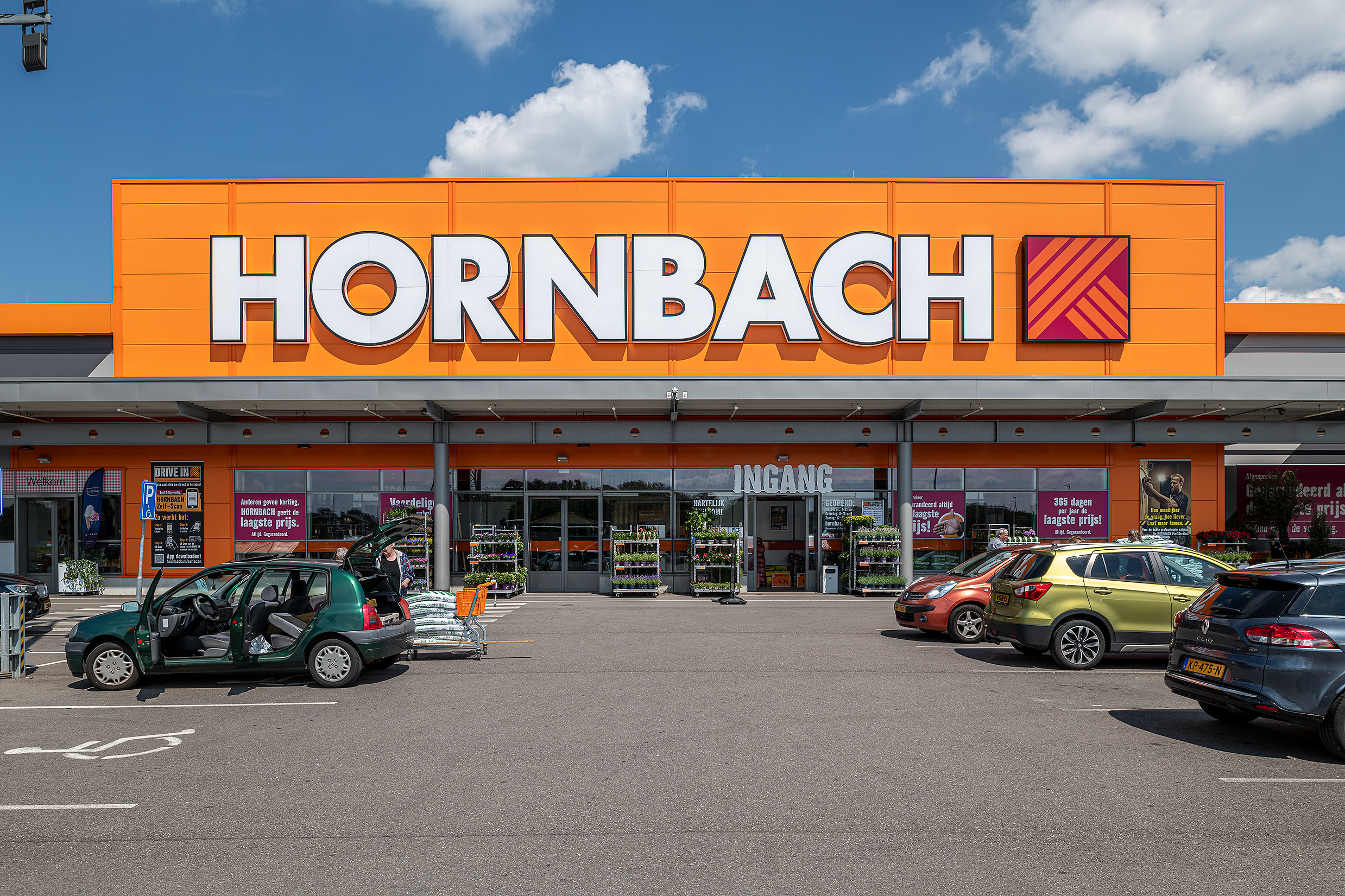
A recent article on the Dutch marketing platform Frank’s Watching celebrates a physical retail success story. Hornbach, with just 18 stores in the Netherlands, holds a market share of close to 30 percent and keeps winning “Best DIY Store”. The explanation is human and true: people want to feel a paintbrush, test a tool, and take their materials home the same afternoon.
The interesting part is how Hornbach gets there. To be the best offline, Hornbach goes all-in on online as well. The same company that keeps winning “Best DIY Store” won “Best Webshop” in 2025, for the eighth time. According to CEO Evert de Goede: “The awards are a direct appreciation from our customers, and the figures confirm that the combination of physical and digital works.” That is a deliberate multichannel approach, and the article spells out the logic behind it: let consumers orient and compare online, on assortment, availability and price, and let the store deliver the experience and the transaction.
Why is that multichannel approach so smart right now? Because it matches how the DIY consumer actually shops. The project starts on a screen. The shopper checks who has the product, at what price, in stock where. Only then does the car leave the driveway. Online wins the orientation, the store cashes in. Which means the article’s real lesson is this: you have to stand out online, because that is what sells, even when the sale itself happens at a physical checkout.
And that lesson is about to get more urgent, not less. The same article opens with Amazon expanding its position in European DIY and Temu and Shein entering with aggressive prices. The battle for online orientation is intensifying. The brands that are visible, complete and convincing on the digital shelf will capture the journeys. The rest will quietly disappear from consideration before the store visit even happens.
So turn it around. This is not a threat, it’s a to-do list, and every item on it is within your control.
Make sure you’re listed, on every retailer that matters. Make sure you’re in stock, because the project-driven DIY shopper buys whichever brand is available this weekend. Make sure your content is flawless: complete, correct and consistent, with images and specs that answer the questions a shop assistant would. Make sure your reviews work for you, because they weigh in right behind price and quality. And make sure you’re visible in retailer search, preferably on page 1, because that’s where the comparison happens and most shoppers never scroll past it.
Do that across Hornbach.nl, Amazon, bol and every other shelf in your category, every day, and the omnichannel game plays in your favour: you win the orientation online and the store finishes the sale for you.
You can only manage this if you can see it, the way the consumer sees it, on every retailer, every day. That outside-in view is exactly what digital shelf analytics provides: one daily picture of your listings, availability, content, prices, reviews and search visibility, next to your competition.
This is where digital shelf analytics and optimisation, certainly with Parker, Sitelucent’s AI assistant, makes the difference. It ensures you perform at your best on that shelf: easy to find, easy to choose. You know exactly where you stand against your competitors, including the ones you didn’t even know you had, and you get every handle you need to rise above them. Sitelucent enables you to stand out, and from there to genuinely drive revenue, whether the purchase happens online or, just as likely in DIY, offline.
Hornbach shows how the DIY market works now: orient online, buy wherever it’s easiest. Make sure that online orientation ends with you. Take control of your online shelf, and drive revenue.
Sitelucent. What stands out, sells.