
The AI gap in Digital Shelf Analytics
Every SaaS company is adding AI. A chatbot here, an auto-summary there, a “powered by AI” badge on the homepage. The message is clear: AI is the future, and everyone wants to be part of it.
But there’s a difference between adding AI and building AI that actually understands your domain. In Digital Shelf Analytics, that difference matters enormously. The digital shelf is a complex, fast-moving environment where thousands of data points change every day across hundreds of retailers. A generic AI can read that data. But reading and understanding are not the same thing.
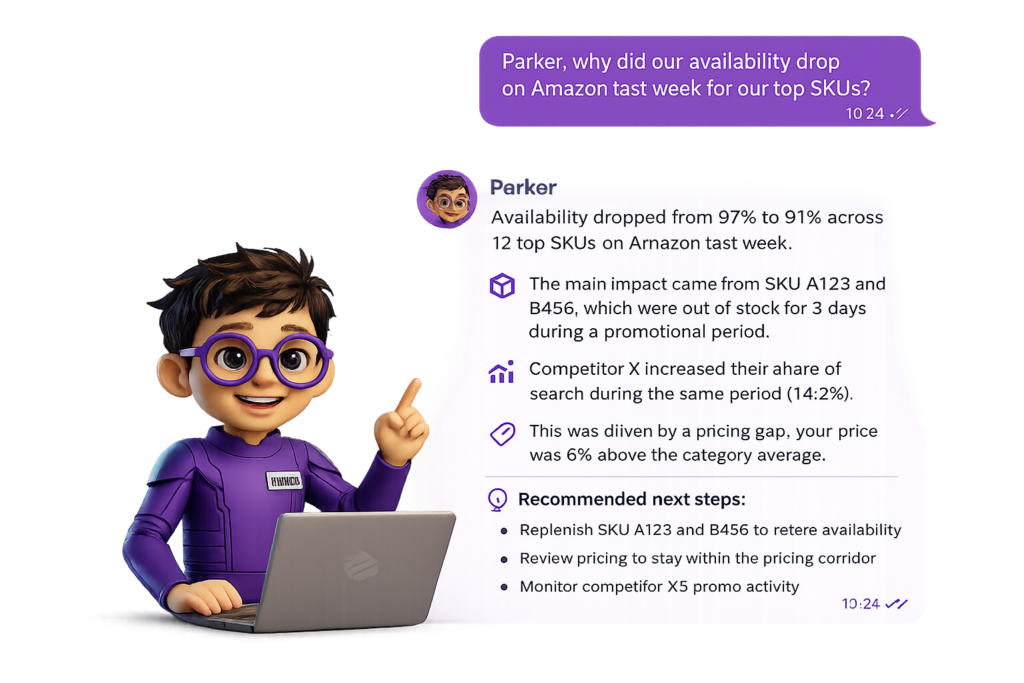
When an eCommerce manager asks “why did my availability drop,” they don’t want a data table. They want context: which retailer, which SKUs, is it related to a promotion, is a competitor gaining share because of it, and what should they do first?
That kind of answer requires an AI that was born in DSA. Not migrated to it. Not bolted on. Native. That’s why we built Parker.

What Parker is, and what he isn’t
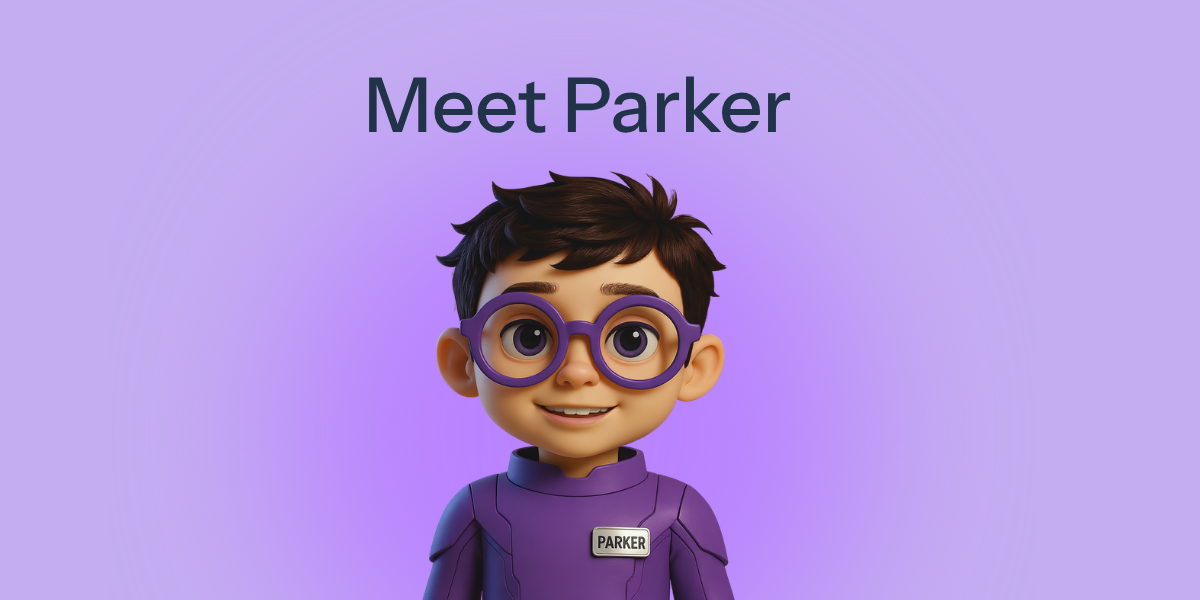
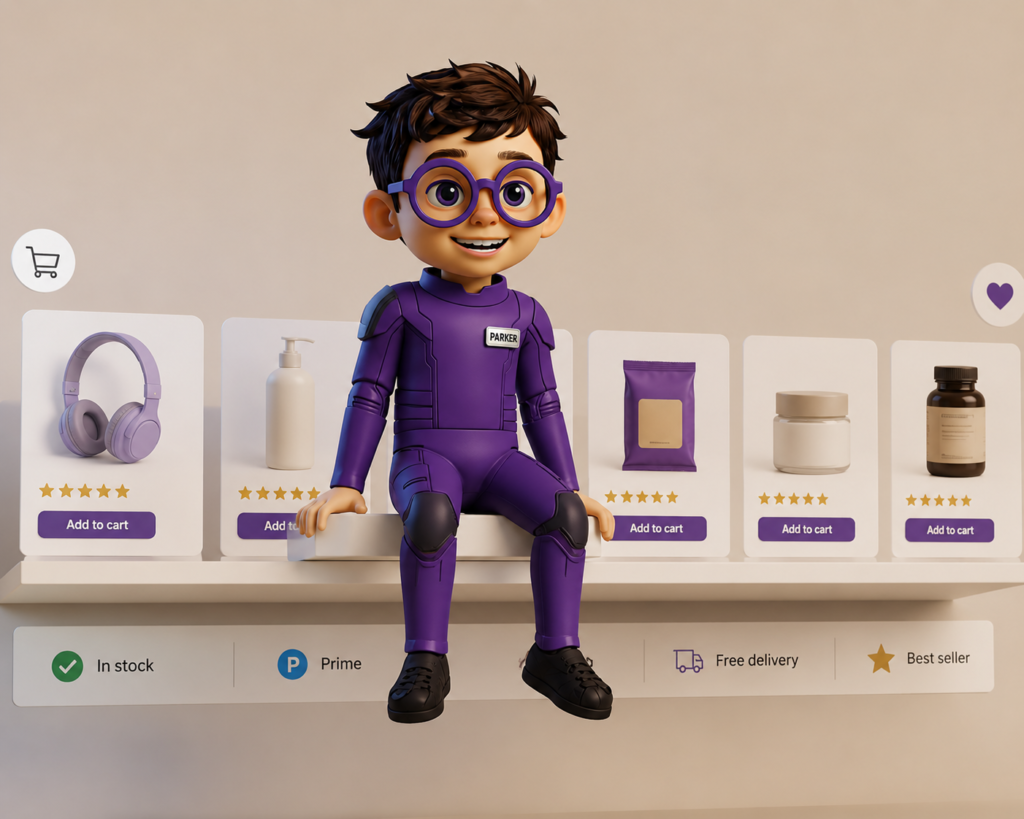
Parker is Sitelucent’s native AI assistant for Digital Shelf Analytics and Optimisation. Ask him any question about your digital shelf, he answers in seconds, based on your account data, your role, and the context of where you’re working in the platform.
He isn’t a standalone chatbot you open in a separate tab. He isn’t a generic language model that needs you to explain what a pricing corridor is. And he isn’t a black box that gives you answers without showing the reasoning.
Parker draws on multiple data sources across the platform, your account data, retailer coverage, and deep DSA domain knowledge. When you ask a question, Parker doesn’t just pull a number. He connects data points across disciplines to give you an answer that reflects the full picture. And with every release, we add new skills that deepen his understanding.
Ask Parker why your content score dropped, and he’ll tell you which retailer, which attributes are missing, whether it correlates with a visibility change, and which SKUs to prioritise based on revenue impact.
That’s what we mean by DSA-native: an AI that thinks in the same dimensions your team does.

Today: your smartest assistant
Right now, Parker’s primary role is answering questions. And he’s fast. Where a team member might spend 20 minutes navigating dashboards and cross-referencing filters, Parker delivers a contextual answer in seconds.
But speed isn’t the real value. The real value is that Parker lowers the barrier to insight. You don’t need to know which dashboard to open or which filter to set. You ask a question in plain language, and Parker does the rest.
That changes how teams work. Junior team members can access the same depth of insight as senior analysts. Regional managers can check their shelf without waiting for a central report. And everyone spends less time navigating and more time optimising.
And there’s a feedback loop built in: every question our clients ask Parker teaches him what matters. Which questions come up most. Which answers drive action. Which context is most useful. If Parker can’t answer something today, he flags it, and that insight shapes what he learns next.
Tomorrow: your trusted advisor
Parker’s roadmap is clear, and it goes well beyond answering questions.
The next step is proactive intelligence. Parker will learn your priorities, understand your key accounts, and surface the things you need to see before you open the dashboard. Not a list of alerts. A prioritised view of what matters most, with the context to act on it.
After that, advisory capability. Parker will orchestrate specialised agents across the platform, each focused on a core discipline, to recommend actions, draft communications, and guide decisions based on patterns he’s learned across your shelf and across the broader market.
And ultimately, autonomous optimisation. A Parker that doesn’t just advise but acts. That detects a content gap, generates the fix, and routes it to the right person or system, without anyone asking.
We call it the journey from assistant to advisor to autonomous, or from high touch to low touch to no touch. From answering questions to making decisions. From reactive to proactive to self-driving. We’re not there yet. But every release gets us closer. Every day smarter.
Why native matters more than “AI-powered”
The market is full of “AI-powered” tools. But in most cases, that means a generic language model connected to a data source. The AI reads your numbers but doesn’t understand your world.
Native AI is different. Parker was built inside Sitelucent’s platform architecture. He doesn’t translate between a generic model and your shelf data, he speaks shelf data as his first language. He knows what a pricing corridor violation means, why a listing gap during a campaign week costs more than the same gap in a quiet period, and how content completeness affects search visibility.
That’s not something you can retrofit. It’s something you have to build from the ground up. And that’s what we’ve done.
Meet Parker
Parker is available now for all Sitelucent clients. If you’re already on the platform, start asking. If you’re not, let’s show you what Parker sees on your digital shelf.